
Uncategorized
Bringing your Horse Back into Work after a Winter Off
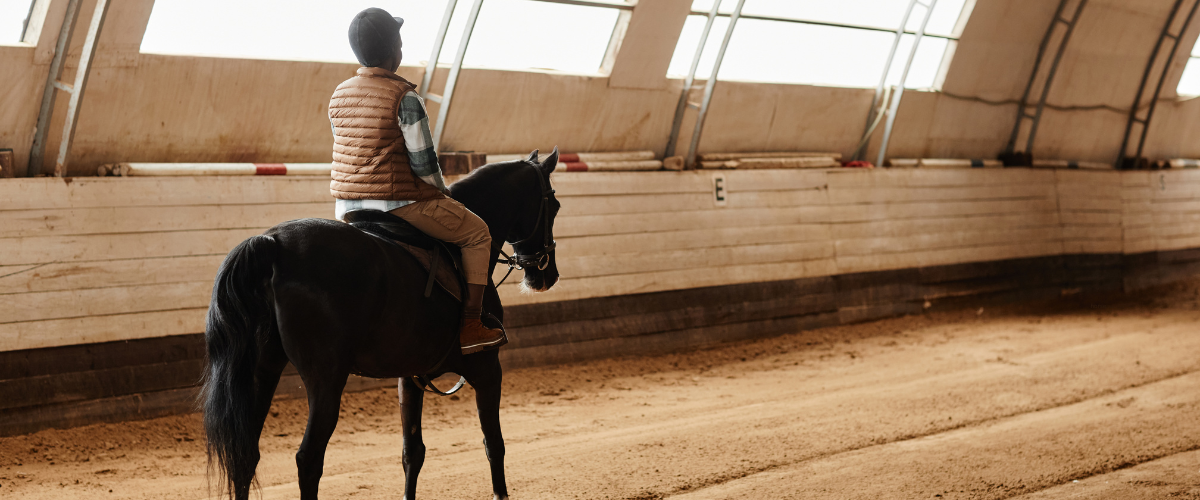
Bringing your Horse Back into Work after a Winter Off
As the days get longer and the chill begins to fade, many horse owners are looking forward to getting back in the saddle. After a few months off over winter – due to weather, limited daylight, frozen footing, or simply some well-deserved time off – it’s important to bring your horse back into work after extended time off very slowly, thoughtfully and with a plan.
Just like us, horses lose fitness and muscle tone when they have time off from regular work. Jumping right back into regular work and long rides can lead to soreness, frustration, and even injury. Here are some tips to help make the transition back into work safe and enjoyable for you and your horse.
Start with a Health Check
Before you start bringing your horse back to work, make sure that your horse is healthy, sound and ready to be brought back. We recommend having your vet out for a quick check-over including checking teeth, feet and tack fit. This is also a great time to give your horse a thorough grooming; this will ensure that your veterinarian can easily assess them and make your horse more comfortable.
If your horse has a big full winter coat, you can assess if you need to clip them before beginning work. There are many kinds of clips you can do from a strip clip to a full body clip. The type of clip you might want to do is dependent upon your horses coat, your ability to blanket them, how much they sweat, if you are working them in a heated indoor or out in the cooler weather.
Focus on the foundation and gradually increase workload
Start slow and short with low-intensity work. Focus first on walking and slowly build up time under saddle bringing strength back to the muscles and tendons. Just like you wouldn’t run a marathon on your first day of a new workout routine, you need to build your horses conditioning up slowly. Below is a suggestion of a schedule that could be followed:
Week 1-2: Start with walking slowly and for short periods of time. Build up the time over the course of 2-3 weeks gradually increasing from 15 to 45 minutes.
Week 3-4: Slowly start to add trotting by 2-5 minutes at a time slowly increasing in duration.
Week 5-7: Start to add in short bouts of cantering, pole work. Slowly work on increasing the times cantering as your horses conditioning improves.
This schedule will need adjusted based on how your horse responds to the increase in workload. Monitor your horse for signs of soreness, fatigue, and weight loss. Older horses and those with past injuries will likely need longer to come back into work after extended vacations.
Conclusion
When bringing a horse back into work after a long vacation, it is important to have a veterinarian check them over first and then to bring them back slowly to allow the horse’s body and mind time to adjust to the increased workload.
Additional resources:
Top Tips on Bringing Event Horses Back into Work